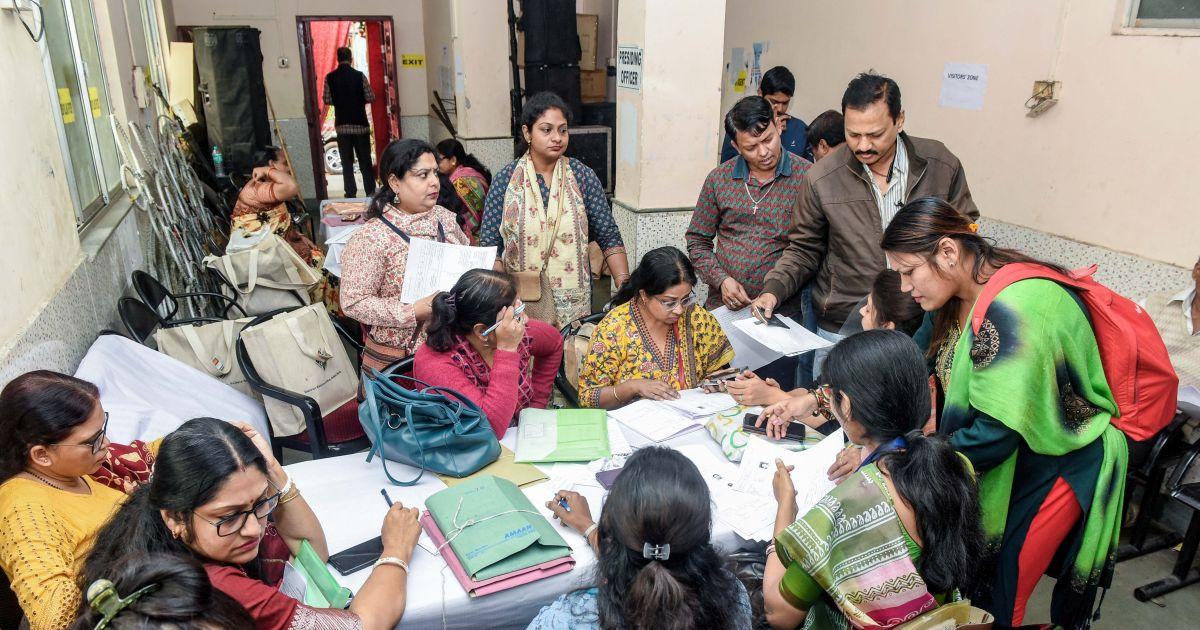
A significant portion of voter exclusions in India's electoral rolls are tied to migration, according to recent analysis. The data reveals that more than 70% of cases where individuals are excluded from the State Identification Register (SIR) involve people who have moved from their registered addresses. This highlights a critical challenge in maintaining accurate and up-to-date electoral records in a country with a large and mobile population.
The issue stems from the difficulty of verifying residency for voters who have relocated, particularly in urban areas where population movement is frequent. Officials note that the current system lacks mechanisms to efficiently update voter information when individuals move. This has led to discrepancies in the electoral rolls, affecting the accuracy of voter lists and potentially impacting election outcomes.
The problem has long been recognized by election authorities, who have acknowledged the need for a more dynamic registration process. However, implementation has been slow due to logistical challenges and limited resources. The recent data underscores the urgency of reforming the system to ensure that all eligible voters are accurately represented. As the next election cycle approaches, the need for a more responsive and inclusive electoral framework becomes increasingly evident.