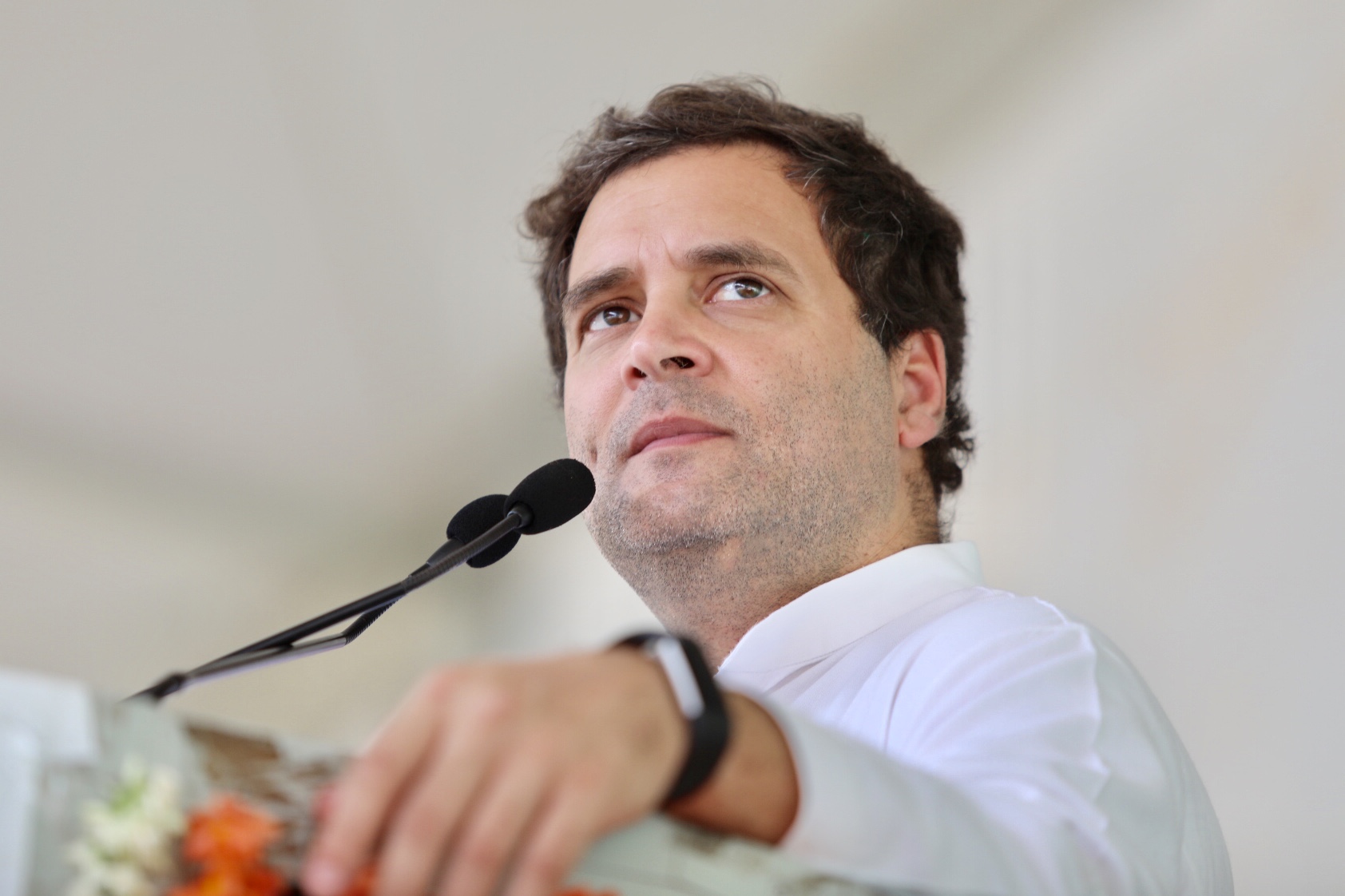
Rahul Gandhi, a senior leader of the opposition Congress party, accused the ruling Bharatiya Janata Party (BJP) of steering India toward a dictatorship. Speaking at a public event, Gandhi criticized the BJP's proposal to allocate 850 seats in the Lok Sabha, the lower house of India's parliament. He argued that such a move would concentrate power in the hands of a single party, undermining the democratic structure of the country.
The BJP, which has been in power since 2014, has proposed a significant increase in the number of seats allocated to its allies in the upcoming Lok Sabha elections. This proposal, which has sparked debate among political analysts, would allow the party to maintain a strong majority. Gandhi's remarks come amid growing concerns about the concentration of power and the erosion of parliamentary democracy.
This issue is part of a broader political tension between the ruling BJP and the opposition Congress. The debate over electoral representation reflects deeper ideological differences between the two parties. The Congress has long criticized the BJP's governance style, while the BJP defends its policies as necessary for national development. The proposed change in seat allocation has intensified these tensions, with both parties accusing each other of undermining democratic norms.
The political landscape in India remains highly polarized, with the Lok Sabha elections seen as a key moment for determining the country's future direction. As the debate over electoral reform continues, the implications for India's democratic institutions remain a subject of intense scrutiny.